Root canal treatment in Rawalpindi & Islamabad provides a gentle, highly effective dental procedure designed to relieve severe toothache, eliminate deep bacterial infection, and preserve your natural tooth from extraction. At The Master Dentist, our skilled endodontic team utilizes precision rotary instruments, low-dose digital radiography, and modern pain-management techniques to deliver comfortable, predictable root canal therapy for patients across the twin cities.
Root canal treatment (endodontic therapy) becomes necessary when the soft inner tissue of the tooth—the dental pulp containing nerves, arterioles, and connective tissue—becomes inflamed, infected, or necrotic due to untreated cavities, repeated dental procedures, or traumatic injury. Rather than removing the damaged tooth, endodontic therapy meticulously removes the diseased pulp, cleans and disinfects the microscopic root canals, and hermetically seals the space to prevent reinfection. With prompt treatment and a durable protective crown, a root canal-treated tooth can function normally for decades, preserving your natural bite, chewing strength, and smile aesthetics.
Endodontic care at The Master Dentist is conducted under rigorous sterilization standards by PMDC-registered dental practitioners, prioritizing gentle techniques, comprehensive diagnosis, and long-term tooth preservation.
Quick Facts: Root Canal Treatment in Rawalpindi & Islamabad
| Treatment Parameter | Clinical Details |
|---|---|
| Primary Objective | Eliminate pulpal infection, relieve dental pain, and save the natural tooth |
| Starting Price (Rawalpindi & Islamabad) | From PKR 8,000 to PKR 35,000 per tooth depending on tooth type (crown quoted separately) |
| Appointment Duration | 60 to 90 minutes per session; complex molars may take up to 2 hours |
| Number of Visits | 1 to 2 visits for most teeth; 2 to 3 visits for extensive infection or retreatment |
| Pain Level During Procedure | Painless; performed under targeted local anesthesia (comparable to receiving a routine filling) |
| Recovery & Downtime | Immediate return to work/routine; mild biting tenderness subsides within 2 to 5 days |
| Long-Term Tooth Survival | High retention rate (over 95% survival when restored with a permanent protective crown) |
What Is the Price of Root Canal Treatment in Rawalpindi & Islamabad?
The cost of root canal treatment in Rawalpindi and Islamabad typically ranges from PKR 8,000 to PKR 35,000 per tooth for initial therapy, while complex retreatments range from PKR 20,000 to PKR 45,000. Pricing is determined on a per-tooth basis depending on anatomical complexity, canal number, and whether coronal restoration or a dental crown is required.
Key factors influencing root canal pricing include:
- Tooth Location and Anatomy: Front teeth (incisors and canines) typically feature a single, straight canal and require less clinical time. Premolars possess 1 to 2 canals, whereas molars have 3 to 4 intricate, curved canals requiring specialized rotary shaping.
- Initial Therapy vs. Retreatment: Retreatment requires the removal of previous filling materials, posts, and stubborn bacterial biofilms before re-disinfecting the canals, demanding additional clinical sessions.
- Severity of Infection: Severe periapical abscesses often require an intermediate intracanal medication visit (such as calcium hydroxide) before final obturation.
- Post and Core Restoration: Severely broken-down teeth require a fiber post and composite core build-up to provide mechanical retention for the final crown.
- Crown Material Selection: Following root canal therapy, posterior teeth require a permanent crown (such as Porcelain-Fused-to-Metal, Zirconia, or E-max) to prevent coronal fracture, which is budgeted alongside the endodontic treatment.
| Tooth / Procedure Type | Canal Count & Visits | Estimated Fee Range (PKR) |
|---|---|---|
| Anterior Tooth (Incisor / Canine) | 1 canal / 1 visit | PKR 8,000 – 15,000 |
| Premolar Tooth | 1–2 canals / 1–2 visits | PKR 12,000 – 20,000 |
| Molar Tooth (Back Tooth) | 3–4 canals / 1–2 visits | PKR 18,000 – 35,000 |
| Root Canal Retreatment | All canals / 2–3 visits | PKR 20,000 – 45,000 |
| Post & Core Build-Up | Per tooth (if structurally needed) | PKR 3,000 – 8,000 |
| PFM Dental Crown (Post-RCT) | Standard porcelain fused to metal | PKR 8,000 – 15,000 |
| Zirconia / E-max Ceramic Crown | Premium metal-free aesthetics & strength | PKR 18,000 – 35,000 |
Who Needs Root Canal Treatment? Common Signs and Symptoms
You may need root canal treatment if bacteria have penetrated the inner pulp chamber, triggering inflammation (pulpitis) or tissue necrosis. While some infected teeth remain asymptomatic in early stages, most present distinct warning signs:
- Persistent, Throbbing Pain: Spontaneous toothache that pulses through the jaw, cheek, or temple, often intensifying when lying down or during nighttime.
- Pain Upon Chewing or Biting: Sharp discomfort when applying downward pressure, indicating inflammation in the periodontal ligament surrounding the root tip.
- Prolonged Thermal Sensitivity: Acute pain triggered by hot coffee, tea, or cold drinks that lingers for several minutes after the thermal stimulus is removed.
- Swollen, Tender Gums: Localized swelling, puffiness, or redness along the gum line adjacent to the affected tooth.
- Persistent Gum Boil (Fistula or Sinus Tract): A small, pimple-like bump on the gum that periodically releases fluid or unpleasant-tasting drainage.
- Tooth Discoloration: A grayish or darkened tooth surface caused by internal bleeding and breakdown of necrotic pulp tissue following trauma or deep decay.
- Deep Dental Cavities: Large areas of tooth decay extending close to or breaching the pulp chamber on digital X-rays.
- Cracked, Chipped, or Fractured Tooth: Enamel fractures exposing the underlying dentin tubules to oral bacteria.
- Recent Dental Trauma: Impact injuries from accidents or sports that compromise the neurovascular supply to the tooth.
- Visible Facial Swelling: Severe periapical infection spreading into facial fascial planes, requiring urgent clinical evaluation.
When Is Root Canal Treatment Not Recommended?
While modern endodontics can save the majority of compromised teeth, certain clinical conditions make root canal therapy unsuitable or necessitate alternative treatment:
- Extensively Non-Restorable Teeth: If dental decay or fracture extends deeply beneath the alveolar bone level, insufficient sound tooth structure remains above the gumline to retain a coronal restoration or crown (ferrule effect). In such cases, extraction followed by a dental bridge or dental implant is recommended.
- Vertical Root Fractures: A crack extending vertically through the root surface cannot be hermetically sealed and creates an ongoing conduit for bacterial reinfection, typically requiring tooth removal.
- Severe Advanced Periodontitis: Teeth with extensive periodontal bone loss, severe mobility, and compromised periodontal attachment may have poor long-term prognosis despite successful root canal filling.
- Inaccessible or Heavily Calcified Canals: Severe canal obliteration or anatomical blockages that cannot be negotiated even with specialized magnification may require surgical intervention (apicoectomy) or referral.
- Uncontrolled Systemic Health Conditions: Patients with uncontrolled medical issues must be stabilized by their physician prior to elective endodontic interventions.
How to Prepare for Root Canal Treatment
Preparing for your root canal visit helps ensure a smooth, comfortable clinical experience:
- Share Your Full Medical History: Inform your dentist about any existing medical conditions, pregnancies, allergies (including latex or antibiotics), and current prescription medications (such as anticoagulants or aspirin).
- Eat a Light Meal Beforehand: Because local anesthesia will numb your lips, tongue, and cheek for 2 to 3 hours after the appointment, having a light, nutritious meal 1 to 2 hours prior to your visit is recommended.
- Avoid Alcohol and Smoking: Refrain from tobacco use and alcohol consumption for at least 24 hours prior to treatment to promote optimal tissue healing and anesthesia efficacy.
- Continue Regular Prescribed Medications: Maintain your daily medication routine unless specifically instructed otherwise by your prescribing physician or dentist.
- Bring Diagnostic Records: If you have recent dental radiographs or medical records, bring them to your consultation for comprehensive evaluation.
How Is Root Canal Treatment Performed at The Master Dentist?
Root canal treatment at our clinic follows an evidence-based, 8-step protocol designed for patient comfort, thorough disinfection, and long-lasting mechanical protection:
Step 1: Clinical Examination, Digital Radiography, and Vitality Testing
Your dentist performs a comprehensive examination using low-dose digital periapical radiographs to map canal anatomy, root curvatures, and periapical bone lesions. Pulp sensibility tests (cold and electric pulp testing) and percussion diagnostics confirm the exact tooth condition.
Step 2: Gentle, Targeted Local Anesthesia
Modern local anesthetics (such as articaine or lidocaine with epinephrine) are administered to ensure complete numbness of the tooth and adjacent soft tissues. Work begins only after the patient is completely comfortable.
Step 3: Rubber Dam Isolation
A sterile rubber dam sheet is placed over the tooth. This crucial clinical standard keeps the operating field dry, prevents oral saliva and bacteria from contaminating the sterile canals, and protects the patient’s airway from irrigation solutions.
Step 4: Conservative Access Cavity Preparation
A small, precision opening is created through the biting surface (or backside of front teeth) to access the pulp chamber. The inflamed, infected pulpal tissue is carefully extirpated.
Step 5: Rotary Canal Cleaning and Shaping
Flexible nickel-titanium (NiTi) rotary files are used alongside electronic apex locators to gently clean, enlarge, and shape the root canals to their precise anatomical endpoints without stressing the tooth structure.
Step 6: Antimicrobial Irrigation and Disinfection
Canals are thoroughly flushed with antimicrobial irrigants (such as sodium hypochlorite and EDTA) to dissolve necrotic organic debris, eliminate bacterial biofilms, and remove the microscopic smear layer. If active infection is present, a biocompatible antibacterial dressing (calcium hydroxide) is placed before temporary sealing.
Step 7: Hermetic Canal Filling (Obturation)
Once completely clean and dry, the root canals are filled with biocompatible gutta-percha points and an endodontic sealer. A post-obturation digital radiograph confirms a dense, hermetic seal reaching the root tip.
Step 8: Coronal Restoration and Protective Dental Crown
The access cavity is restored with a high-strength composite core build-up. Because endodontically treated back teeth become brittle over time, a custom-fitted dental crown is placed to protect the tooth from fracture and restore full masticatory function.
What Is the Aftercare for Root Canal Treatment?
Following post-operative instructions ensures quick, uneventful recovery and protects your investment:
- Wait for Numbness to Dissipate: Avoid eating hot foods or chewing until the local anesthesia completely wears off (typically 2 to 3 hours) to prevent accidentally biting your lip, tongue, or cheek.
- Chew on the Opposite Side: Until your permanent dental crown is placed, avoid chewing hard, crunchy, or sticky foods on the treated tooth to prevent fracturing the temporary restoration.
- Manage Transient Soreness: Mild tenderness when chewing or pressing on the tooth is normal for 2 to 5 days as the surrounding ligament heals. Over-the-counter anti-inflammatory analgesics (such as ibuprofen or paracetamol) readily manage this discomfort.
- Maintain Gentle Oral Hygiene: Continue brushing and flossing daily. Clean gently around the treated tooth to keep the gum tissue healthy.
- Complete Prescribed Medications: If antibiotics or specific pain medications were prescribed, complete the full course as directed.
- Prompt Crown Placement: Schedule your permanent crown appointment within 1 to 3 weeks. Delaying crown placement leaves the tooth vulnerable to coronal leakage and fracture.
- When to Contact the Clinic: Reach out immediately if you experience persistent severe pain beyond 5 days, noticeable facial swelling, an allergic reaction, or if your temporary filling becomes loose.
Types of Root Canal Treatments Offered
Different clinical situations call for tailored endodontic approaches:
- Anterior (Front Tooth) Root Canal: Treats incisors and canines, which have single root canals and can usually be completed in a single comfortable session.
- Premolar & Molar Root Canal Therapy: Addresses multi-rooted posterior teeth featuring 2 to 4 complex canals, requiring specialized rotary instrumentation to negotiate curved roots and auxiliary canals.
- Single-Visit Root Canal Treatment: Recommended for vital or non-vital teeth without active acute abscesses, allowing diagnostic preparation, cleaning, and obturation in one streamlined appointment.
- Modern Rotary Endodontics: Employs computer-controlled NiTi rotary systems that contour curved canals smoothly, significantly reducing chair time and post-operative discomfort.
- Root Canal Retreatment: Re-intervenes in teeth where previous endodontic therapy failed due to missed canals, persistent bacterial biofilms, or coronal leakage, revitalizing tooth health.
- Emergency Endodontic Pulpectomy: Same-day relief for patients presenting with acute, agonizing pulpitis or facial swelling, swiftly eliminating pain by opening and draining the infected pulp chamber.
- Pediatric Pulpotomy / Pulpectomy: Conservative endodontic treatments for children’s primary (milk) teeth to resolve decay while maintaining space for incoming permanent teeth.
How Many Visits Does a Root Canal Take?
Most straightforward root canal treatments require 1 to 2 visits. Single-visit root canal therapy is suitable for teeth without active swelling or weeping canals, where cleaning, shaping, and sealing can be completed safely in one 60-to-90-minute session.
Teeth with acute periapical infection, persistent drainage, severe anatomical curvature, or complex retreatment requirements benefit from a two-visit approach. During the first visit, the canals are cleaned and medicated with an antimicrobial calcium hydroxide paste for 1 to 2 weeks. The canals are then obturated during the second visit once all signs of active inflammation have resolved.
Results, Healing Timeline, and Clinical Success Rates
Root canal treatment boasts exceptionally high clinical success rates and predictable long-term outcomes. Extensive peer-reviewed dental literature, including large-scale epidemiological studies, demonstrates that over 90% to 97% of properly treated and crowned root canal teeth remain functional and symptom-free for many years.
| Recovery Timeline | What to Expect |
|---|---|
| Immediately After Treatment | Severe pulpal throbbing is completely relieved; local numbness persists for 2–3 hours. |
| Day 1 – Day 5 | Mild tissue tenderness when biting down gradually subsides as periapical ligaments heal. |
| Week 1 – Week 3 | Placement of the permanent crown restores 100% natural chewing efficiency and structural integrity. |
| 6 – 12 Months | Follow-up digital radiographs show progressive bone regeneration and complete periapical resolution. |
| Long-Term (10+ Years) | With daily brushing, flossing, and 6-monthly check-ups, the treated tooth functions for life. |
Before & After Results: Root Canal Treatment in Rawalpindi & Islamabad
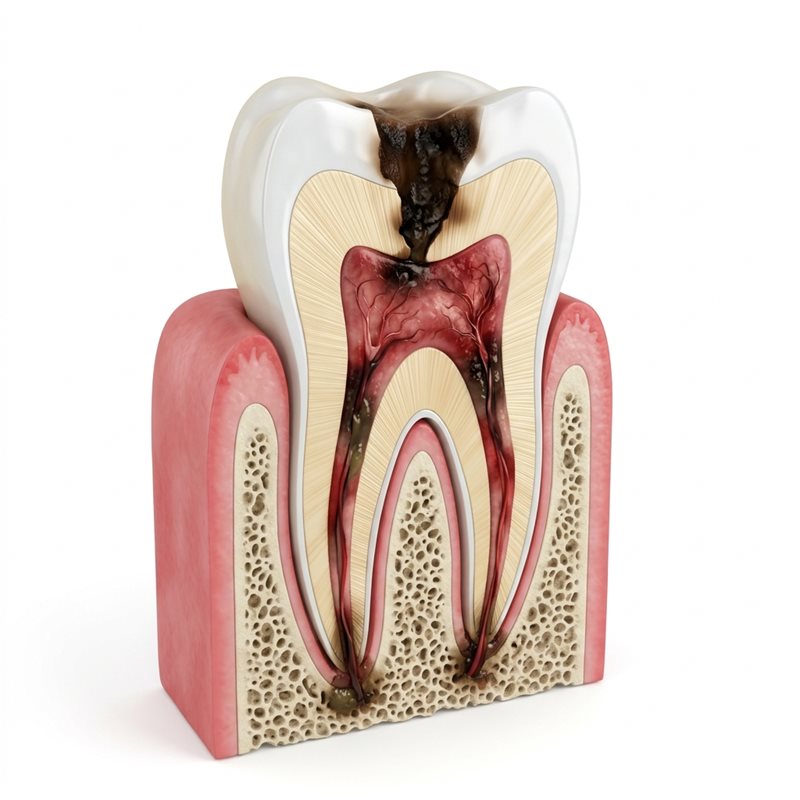
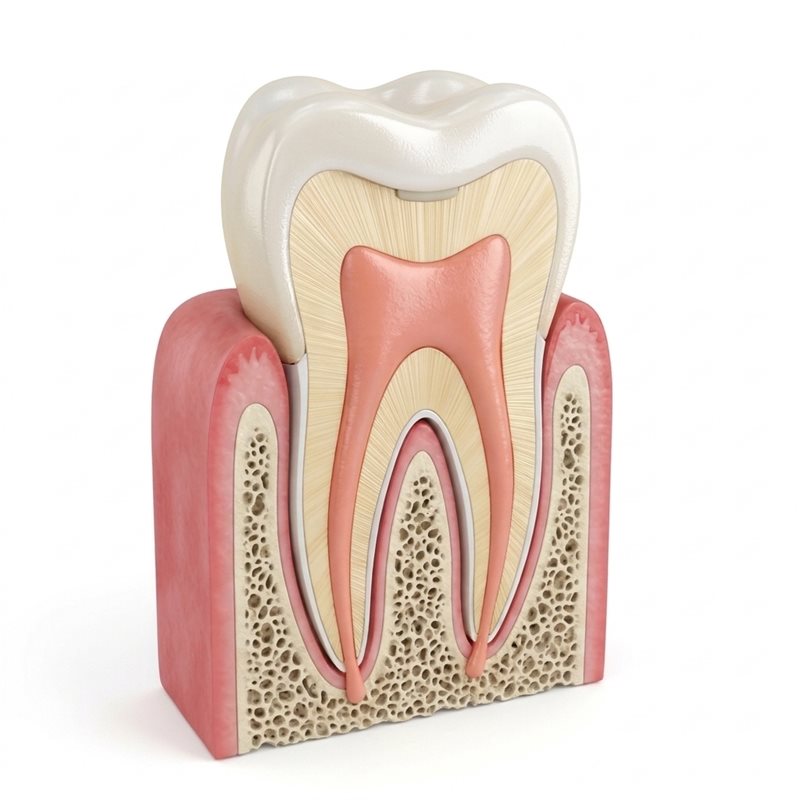
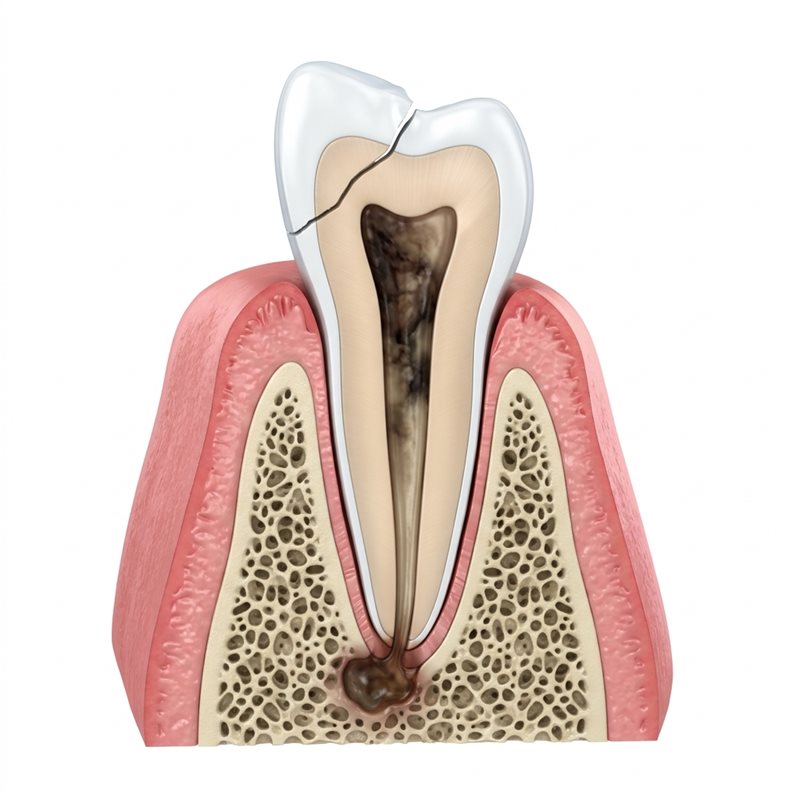
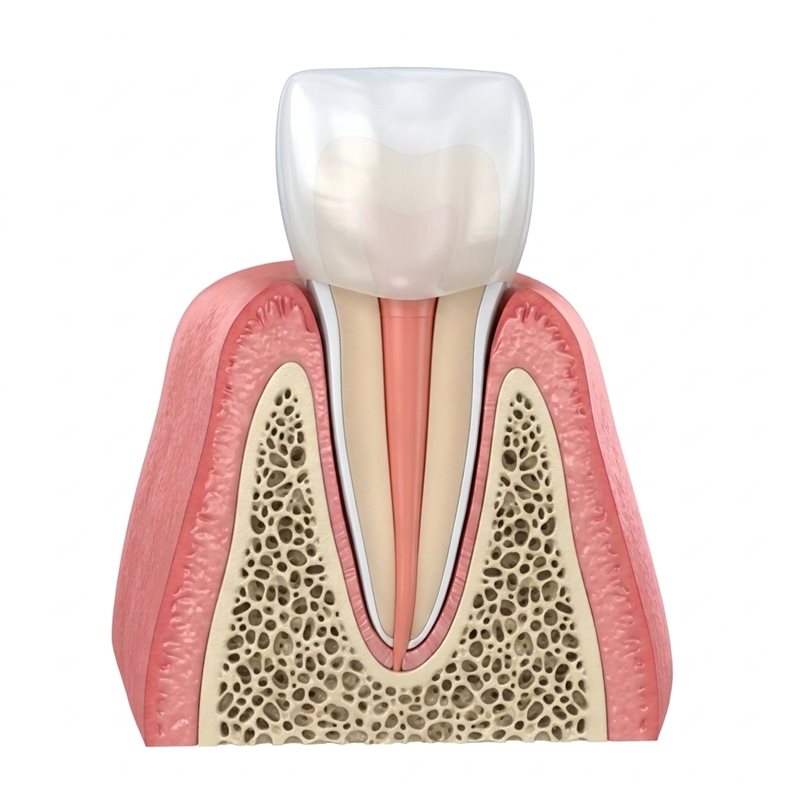
Root canal treatment transforms teeth severely damaged by deep decay, trauma, or pulpal infection into healthy, strong, and functional teeth. To maintain clinical accuracy and adhere strictly to medical ethics, Before and After endodontic documentation must demonstrate the exact same patient’s tooth from initial presentation through to final crown restoration.
Medical Illustration
Medical Illustration
Medical Illustration
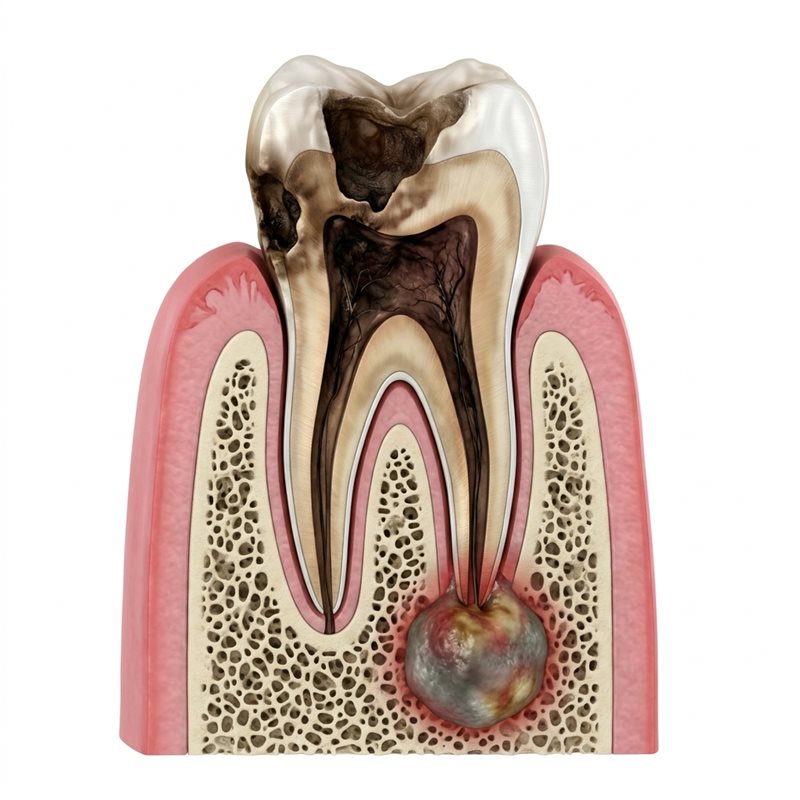
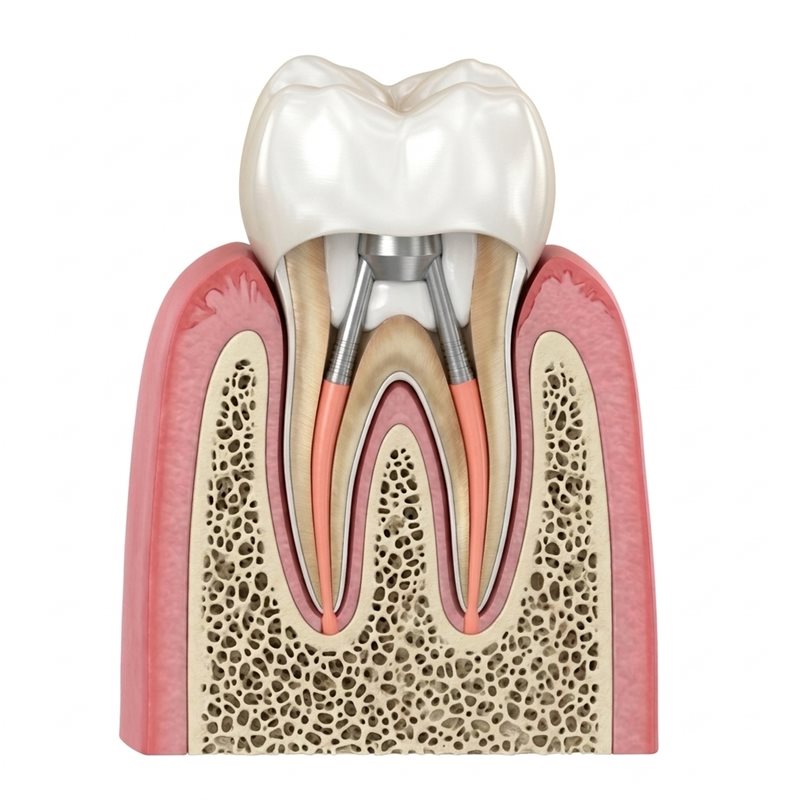
Educational Demonstration & Clinical Notice
The 3D cross-sectional medical illustrations above are provided for patient education to clearly depict the anatomical stages, canal disinfection, and restorative steps of endodontic treatment. In accordance with clinical accuracy standards and PMDC regulations, clinical illustrations are labeled for educational demonstration and do not substitute for in-person diagnostic evaluation.
Results vary from person to person depending on individual canal curvature, pulp vitality, and timing of coronal crown protection.
Benefits of Root Canal Treatment
Saving your natural tooth through timely endodontic care offers significant physiological, aesthetic, and financial advantages over tooth extraction:
- Immediate Pain Relief: Removing the inflamed, infected nerve tissue eliminates the source of throbbing toothache.
- Stops Infection from Spreading: Thorough chemical and mechanical disinfection prevents bacteria from migrating into the jawbone, bloodstream, or adjacent facial tissues.
- Preserves Natural Tooth Structure: No artificial replacement completely replicates the biological feeling and sensory feedback of a natural tooth.
- Maintains Normal Chewing Efficiency: Keeping your natural tooth preserves full biting force, allowing you to enjoy your favorite foods without restriction.
- Prevents Adjacent Teeth from Shifting: Leaving an extraction gap causes neighboring and opposing teeth to tilt, drift, and over-erupt, leading to bite collapse and jaw joint issues.
- Protects Alveolar Jawbone: The retained natural tooth root continues to stimulate surrounding alveolar bone, preventing localized bone resorption.
- Natural Smile Aesthetics: Restored with a tooth-colored crown, the treated tooth blends seamlessly with neighboring teeth.
- More Cost-Effective Than Replacement: A root canal treatment combined with a protective crown costs significantly less than extraction followed by a dental implant or multi-unit bridge.
- Saves Clinical Time: Endodontic therapy is completed in 1 to 2 visits, avoiding months of surgical healing and bone grafting required for implant procedures.
- Rapid Recovery: With minimal post-operative downtime, most patients return to work and daily activities the very next day.
Potential Side Effects and Discomfort Management
Modern root canal treatment is safe and predictable. Common, mild post-treatment sensations include:
- Temporary Biting Tenderness: Mild soreness when chewing on the tooth for 2 to 5 days while the surrounding periodontal ligament recovers from instrumentation.
- Localized Gum Soreness: Minor irritation along the gum margin from the rubber dam clamp, which resolves rapidly within 24 to 48 hours.
- Jaw Muscle Fatigue: Mild aching from keeping the mouth open during the 60-to-90-minute procedure, relieved by gentle warm compresses.
Dispelling the Myth: The outdated claim that root canals cause systemic diseases stems from the debunked 1920s “focal infection theory,” which has been thoroughly refuted by modern medical and dental science. Root canal treatment eliminates infection and protects your systemic health.
Root Canal vs. Extraction vs. Dental Implant vs. Filling: Which Is Better?
Understanding your dental treatment options helps you make an informed decision for your oral health:
| Feature | Root Canal + Crown | Dental Extraction | Dental Implant | Dental Filling |
|---|---|---|---|---|
| Clinical Goal | Cleans infected pulp and seals canals | Removes the entire tooth | Replaces missing tooth with titanium post & crown | Restores shallow decay |
| Best Suited For | Infected/dead pulp in a restorable tooth | Non-restorable, severely fractured teeth | Missing teeth or failed non-restorable teeth | Superficial enamel and dentin decay |
| Preserves Natural Tooth | Yes | No | No (replaces missing tooth) | Yes |
| Treatment Visits | 1–2 visits (+ crown visit) | 1 visit | Multiple visits over 3–6 months | 1 visit |
| Typical Cost Range | Moderate (PKR 16,000 – 50,000 with crown) | Lowest initially (PKR 2,000 – 8,000) | Higher (PKR 60,000 – 150,000+) | Low (PKR 3,000 – 7,000) |
Why Choose The Master Dentist for Root Canal Treatment in Rawalpindi & Islamabad?
At The Master Dentist, our clinical practice is built on patient comfort, state-of-the-art dental technology, and transparent clinical care:
- PMDC-Registered Dental Practitioners: Highly skilled dental surgeons experienced in modern endodontic therapy, complex molar canal systems, and retreatments.
- Precision Rotary Endodontic Systems: Advanced nickel-titanium rotary file systems ensure thorough cleaning while preserving natural dentin structure.
- Electronic Apex Locators: High-precision digital apical measurement eliminates guesswork and ensures canals are sealed to their exact anatomical end.
- Strict Hospital-Grade Sterilization: All reusable instruments undergo multi-stage ultrasonic cleaning and autoclave sterilization, complemented by single-use rotary files and burs.
- Pain-Free Local Anesthesia Protocols: Gentle injection techniques and premium anesthetics ensure a comfortable, stress-free clinical visit.
- Transparent, Written Estimates: Clear upfront pricing covering RCT, core build-up, and dental crown options with no hidden charges.
- Convenient Access for the Twin Cities: Centrally located in Islamabad with accessible appointments for residents of both Islamabad and Rawalpindi.
Dental Surgeon for Root Canal Treatment at The Master Dentist
Dr. Asad Nawaz Baloch – Dental Surgeon at The Master Dentist
Dr. Asad Nawaz Baloch is a dedicated and compassionate Dental Surgeon at The Master Dentist, committed to delivering quality dental care through a patient-centered approach. He holds a Bachelor of Dental Surgery (B.D.S.) degree and has completed his Residency in Dental Surgery (R.D.S.) from the prestigious School of Dentistry, Shaheed Zulfiqar Ali Bhutto Medical University (SZABMU), Islamabad.
With a strong academic foundation and specialized clinical training, Dr. Asad Nawaz Baloch brings extensive dental knowledge and a comprehensive understanding of oral healthcare. He focuses on carefully evaluating each patient’s dental concerns, recommending appropriate treatment options, and providing care with professionalism, precision, and attention to detail.
His approach combines clinical knowledge with a genuine commitment to patient comfort, clear communication, and personalized treatment planning. At The Master Dentist, he strives to help patients maintain healthier smiles and enjoy a comfortable, reassuring dental care experience.
Frequently Asked Questions (FAQs) About Root Canal Treatment
What is root canal treatment (RCT)?
Root canal treatment is an endodontic dental procedure that removes infected, inflamed, or dead pulp tissue from inside a tooth. The microscopic canals are thoroughly disinfected, shaped, and hermetically sealed with gutta-percha to save the natural tooth and prevent reinfection.
Is root canal treatment painful?
No. With modern local anesthesia and rotary technology, root canal treatment is virtually painless and feels very similar to having a routine filling placed. Most patients report that the procedure brings immediate relief from the severe toothache caused by the infected nerve.
How long does a root canal procedure take?
A typical root canal appointment lasts between 60 and 90 minutes. Front teeth with single canals can often be completed in approximately 45 to 60 minutes, while complex molars with multiple curved canals may take 90 minutes to 2 hours.
How many visits are needed for a root canal?
Most teeth can be completed in 1 to 2 visits. If there is extensive infection, swelling, or persistent drainage, an additional visit with an intermediate antibacterial dressing is scheduled to ensure the canals are completely sterile before final obturation.
Is a dental crown always necessary after a root canal?
For premolars and molars (back teeth), a permanent dental crown is strongly recommended. Endodontically treated back teeth bear high biting forces and become brittle once the blood supply is removed. A crown encapsulates the tooth, preventing fracture. Front teeth with minimal tooth loss may sometimes be restored with a composite filling alone.
How long does a root canal-treated tooth last?
When properly cleaned, sealed, and restored with a permanent crown, a root canal-treated tooth can last for decades or even a lifetime with routine oral hygiene and regular dental check-ups.
Can an infected tooth heal on its own without a root canal?
No. Once the dental pulp has become irreversibly inflamed or necrotic, it cannot regenerate. While pain may temporarily subside if the nerve dies, bacteria will continue multiplying inside the root canals and spread into the jawbone, eventually forming a painful abscess.
Can I eat after root canal treatment?
Yes, but you should wait 2 to 3 hours until the local numbness completely dissipates to avoid biting your cheek or tongue. Soft foods like soup, rice, yogurt, and eggs are recommended for the first day. Avoid chewing hard or crunchy foods on the treated side until the permanent crown is placed.
Is root canal treatment safe during pregnancy?
Yes. If you develop a severe tooth infection during pregnancy, root canal treatment is safe and necessary to prevent infection from spreading. The second trimester is the preferred time for elective dental work, though emergency pain relief can be performed safely at any stage using pregnancy-safe local anesthetics and shielded digital X-rays.
Can children have root canal treatment?
Yes. Children with deep decay in primary (milk) teeth can receive a pulpotomy (partial pulp removal) or pulpectomy (complete canal treatment) to relieve pain and keep the primary tooth intact until the adult tooth naturally erupts.
Can a previous root canal be redone?
Yes. If a tooth with a past root canal develops new decay, missed canal infection, or coronal leakage, root canal retreatment can be performed. The old filling material is removed, the canals are re-disinfected, and freshly sealed.
Will my tooth turn dark after a root canal?
In some cases, front teeth may gradually darken over time due to pulpal breakdown products. This can be resolved with internal dental bleaching or an aesthetic porcelain crown or veneer. Back teeth are covered by a tooth-colored crown, so discoloration is not visible.
Will I need antibiotics after a root canal?
In most routine cases, antibiotics are not required because thorough mechanical cleaning and chemical disinfection physically remove the bacteria from the tooth. Antibiotics are only prescribed if there is spreading facial swelling, fever, or in medically compromised patients.
How can I book an appointment for root canal treatment in Rawalpindi & Islamabad?
You can schedule a comprehensive endodontic consultation, digital X-ray, and evaluation by contacting The Master Dentist at +92 340 5599322 or visiting our clinic in Islamabad.