Dental braces in Islamabad offer a proven, highly effective orthodontic solution to straighten crooked teeth, close unwanted gaps, relieve crowding, and correct complex bite misalignments. At The Master Dentist, our orthodontic specialists provide personalized braces treatments designed to optimize oral health, restore proper chewing function, and craft a confident, balanced smile for children, teenagers, and adults alike.
Braces are suitable for children from approximately age 10, teenagers, and adults of all ages, provided the gums and supporting jawbone are healthy. Treatment begins with a comprehensive consultation and diagnostic evaluation to formulate an individualized biomechanical plan tailored to your facial profile and dental needs.
Orthodontic care at The Master Dentist is planned and supervised by PMDC-registered dental practitioners and orthodontic specialists (BDS, FCPS Orthodontics), adhering to international clinical standards, advanced digital diagnostics, and comprehensive retention care.
Quick Facts: Dental Braces in Islamabad
| Fact | Details |
|---|---|
| Starting Treatment Cost | Starts from PKR 40,000 (metal braces) |
| Initial Fitting Time | 1 to 2 hours for bracket bonding |
| Overall Treatment Duration | 12 to 24 months (depending on malocclusion complexity) |
| Adjustment Frequency | Every 4 to 6 weeks |
| Visible Progress | Front teeth begin aligning noticeably within 1 to 3 months |
| Recovery & Downtime | Zero downtime; mild soreness for 3 to 5 days after initial placement |
| Post-Treatment Retainers | Full-time wear for 3 to 6 months, followed by long-term nightly wear |
How Do Dental Braces Work to Straighten Teeth?
Dental braces are fixed orthodontic appliances engineered to guide misplaced teeth into proper functional and aesthetic alignment through controlled biological biomechanics. The appliance consists of precision orthodontic brackets bonded to each tooth and a resilient connecting archwire held in place by elastic ties or self-ligating clips.
The science of orthodontic tooth movement relies on constant, gentle mechanical pressure:
- Continuous Mechanical Load: The archwire has shape-memory properties (such as nickel-titanium). When flexed into misaligned bracket slots, it constantly attempts to return to its original ideal arch form, applying a light, calibrated force to each tooth.
- Periodontal Ligament Response: Each tooth is suspended in its alveolar bone socket by a specialized hammock of collagen fibers called the periodontal ligament (PDL). When orthodontic force is applied, the PDL compresses on the side toward which the tooth moves (the pressure side) and stretches on the opposite side (the tension side).
- Bone Remodeling (Osteoclasts and Osteoblasts): In response to the reduced blood flow on the compression side, specialized bone-resorbing cells known as osteoclasts break down bone tissue to create space for the moving root. On the tension side, where the ligament is stretched, bone-forming cells known as osteoblasts lay down new bone matrix to anchor the tooth in its new position.
- Gradual, Safe Translocation: Because bone remodeling is a delicate biological process, teeth move safely at a controlled rate of approximately 0.5 to 1 millimeter per month, preserving root integrity and vitality.
What Is the Price of Dental Braces at The Master Dentist Islamabad?
Dental braces at The Master Dentist Islamabad start from PKR 40,000 for traditional metal braces. Comprehensive braces treatments across Islamabad generally range from PKR 40,000 to PKR 500,000 depending on the braces technology selected, case severity, and overall treatment duration. To make orthodontic care accessible, payment is split into an initial advance upon bracket placement followed by convenient monthly instalments during routine adjustment appointments.
The total cost of braces in Islamabad is determined by 6 primary factors:
- Type of Braces: Traditional metal braces are the most cost-effective option, whereas aesthetic ceramic braces, self-ligating brackets, lingual braces, and clear aligners require higher lab and material investments.
- Number of Arches Treated: Single-arch treatment (upper or lower jaw only) costs less than full dual-arch alignment.
- Case Complexity: Mild spacing or minor crowding requires fewer aligners or shorter bracket time, whereas severe skeletal discrepancies, impacted teeth, or deep crossbites require extended care.
- Adjunctive Procedures: Preliminary tooth extractions, palatal rapid expanders, transpalatal arches, or temporary anchorage devices (mini-implants) add to the clinical fee.
- Retention Care: Custom fixed lingual retainers or removable clear Essix retainers are typically quoted within the comprehensive treatment package or start from PKR 5,000.
- Specialist Expertise: Treatment planned and supervised by an accredited specialist orthodontist (FCPS or equivalent) ensures accurate biomechanics, preventing complications or mid-treatment stalling.
| Braces Type | Estimated Treatment Time | Starting Cost (PKR) |
|---|---|---|
| Traditional Metal Braces | 12 – 24 months | From PKR 40,000 |
| Ceramic (Tooth-Colored) Braces | 12 – 24 months | From PKR 80,000 |
| Self-Ligating Braces (Damon System) | 12 – 24 months | From PKR 150,000 |
| Lingual Braces (Behind-the-Teeth) | 18 – 24 months | From PKR 160,000 |
| Clear Aligners (Invisible Braces) | 6 – 18 months | From PKR 120,000 |
| Single Arch Braces (Upper or Lower) | 6 – 12 months | Custom quoted after assessment |
| Post-Treatment Retainers (Per Arch) | Long term / maintenance | From PKR 5,000 |
| Initial Orthodontic Consultation | 30 – 45 minutes | From PKR 500 |
In Islamabad, initial orthodontic consultation fees typically range between PKR 500 and PKR 4,000, and ongoing monthly adjustment instalments average PKR 5,000 to PKR 10,000 depending on the appliance chosen. A nominal fee of PKR 5,000 represents an individual instalment or retainer visit rather than a full treatment package. At our clinic, you receive a transparent, itemized treatment quote before bracket placement begins.
Who Is an Ideal Candidate for Dental Braces?
An ideal candidate for dental braces is any individual with crooked teeth, crowding, gaps, or bite irregularities who possesses healthy teeth, sound gums, and adequate alveolar jawbone support. Good candidates span children from ages 10 to 14 (once most permanent teeth have erupted), teenagers, and adults of any age.
There is no upper age limit for orthodontic treatment. In adults with healthy periodontium, teeth respond to orthodontic biomechanics just as predictably as in younger individuals. Scientific studies, including orthodontic meta-analyses, have confirmed that with proper clinical planning, treatment duration and biological tooth movement in adults are fully comparable to adolescent patients.
The 8 primary dental conditions treated with braces include:
- Crooked or Rotated Teeth: Teeth that have twisted or turned out of normal dental arch alignment.
- Crowded Teeth: Overlapping or misaligned teeth caused by a discrepancy between jaw size and tooth width.
- Spacing and Diastema: Unwanted gaps between teeth, including a prominent midline gap between upper front incisors.
- Overbite (Deep Bite): A condition where upper front teeth excessively overlap the lower front teeth vertically, often causing soft-tissue impingement or abnormal enamel wear.
- Underbite: A malocclusion where the lower teeth protrude forward beyond the upper front teeth.
- Crossbite: A bite misalignment where one or more upper teeth bite inside the lower teeth (anterior or posterior crossbite), leading to asymmetrical jaw growth or joint strain.
- Open Bite: A situation where the upper and lower front teeth do not meet when the back teeth are closed, compromising chewing and speech articulation.
- Chewing or Speech Difficulties: Functional problems caused by misaligned dental arches that strain the temporomandibular joint (TMJ).
Early Orthodontic Evaluation: The American Association of Orthodontists recommends that children have their first orthodontic evaluation around age 7. At this stage, subtle jaw growth issues and developing crossbites can often be addressed early with interceptive growth modification appliances.
Who Should Avoid or Delay Dental Braces?
While braces are safe and effective for the vast majority of patients, active dental diseases or systemic conditions must be addressed before orthodontic forces are introduced. Moving teeth through diseased or infected tissues carries severe clinical risks.
The 5 groups who should avoid or delay braces until cleared include:
- Patients with Active Periodontal (Gum) Disease: Applying orthodontic pressure in the presence of active periodontitis accelerates bone loss and compromises tooth stability. Gums must be fully healed and disease-free before braces are bonded.
- Patients with Untreated Dental Cavities or Infections: Active caries or pulpal infections must be resolved with dental fillings or root canal therapy prior to orthodontic appliance placement.
- Patients with Poor Oral Hygiene Habits: Brackets and archwires trap food particles. Patients unable or unwilling to maintain diligent daily brushing and interdental flossing face high risks of enamel decalcification (permanent white spot lesions) and severe gum inflammation.
- Patients with Severe Alveolar Bone Loss: Advanced bone resorption limits the range and safety of tooth movement and requires comprehensive periodontic evaluation.
- Patients with Severe Nickel Allergies: Traditional stainless steel archwires and brackets contain trace nickel. Patients with verified metal hypersensitivity require nickel-free titanium brackets, ceramic systems, or clear aligners.
How to Prepare for Dental Braces Treatment
Proper preparation ensures that your teeth and gums are in optimal health before your braces are fitted. Following these preparatory steps sets the foundation for a smooth orthodontic experience:
- Schedule a Specialist Orthodontic Consultation: Ensure your treatment is evaluated and planned by a certified orthodontist who utilizes comprehensive facial aesthetics and cephalometric analysis.
- Complete All Restorative and Periodontal Care: Treat any active cavities, replace failing restorations, and complete necessary periodontal scaling before brackets are bonded.
- Undergo Professional Scaling and Polishing: Having your teeth professionally cleaned 1 to 2 weeks before bonding ensures that enamel surfaces are clean, smooth, and ready for optimal adhesive bond strength.
- Provide Prior Diagnostic Records: Bring any previous dental radiographs, OPGs, or orthodontic records to your initial visit for a thorough historical comparison.
- Disclose Medical History and Known Allergies: Inform your orthodontist about any sensitivities to latex, nickel, or dental adhesives, as well as current medications.
- Assemble an Orthodontic Oral Hygiene Kit: Purchase an orthodontic V-trim toothbrush, interdental brushes, orthodontic relief wax, a floss threader, and an antimicrobial mouthwash.
- Stock Up on Soft Foods: Prepare soft, nutritious foods (such as lentil soup, khichdi, yogurt, smoothies, eggs, and mashed potatoes) to ensure comfortable eating during the first 3 to 5 days after fitting.
Wedding or Event Planning: If you are planning braces before a major life event such as a wedding or graduation, initiate treatment 18 to 24 months in advance, or discuss aesthetic ceramic brackets or clear aligners with your orthodontist.
How Are Dental Braces Fitted at The Master Dentist Islamabad?
Fitting dental braces is a meticulous, completely painless procedure performed over an 8-step clinical protocol. The bonding appointment typically takes 1 to 2 hours, requires no injections or drilling, and allows you to return to work or school immediately.
Step 1: Orthodontic Consultation and Clinical Examination
Your orthodontist conducts a thorough examination of your dental arches, facial symmetry, bite relationships, and temporomandibular joints. You discuss your primary aesthetic concerns, lifestyle, and treatment expectations.
Step 2: Comprehensive Diagnostic Records
High-resolution diagnostic records are captured, including digital panoramic radiographs (OPG) to assess root positions and unerupted teeth, lateral cephalometric X-rays to analyze jaw angles and facial profile, intraoral and extraoral clinical photographs, and digital 3D intraoral scans or dental impressions.
Step 3: Personalized Orthodontic Treatment Planning
Using the diagnostic records, your orthodontist calculates precise tooth movements, assesses whether extractions or arch expansion are necessary, determines the optimal bracket prescription, and presents an itemized cost and instalment schedule.
Step 4: Separators and Molar Bands (If Needed)
If your treatment requires stainless steel bands around back molars, small elastomeric separator rings are placed between your molars 7 to 14 days before bonding to gently open a fraction of a millimeter of space.
Step 5: Tooth Conditioning, Bracket Bonding, and Archwire Placement
The enamel surfaces are thoroughly polished, conditioned with a mild etching gel, and primed. Orthodontic brackets are positioned on each tooth with pinpoint accuracy using dental composite adhesive and hardened using a high-intensity LED curing light. The initial flexible nickel-titanium archwire is placed and secured using elastic ligatures (colors of your choice) or self-ligating bracket clips.
Step 6: Periodic Adjustment Visits (Every 4 to 6 Weeks)
You return every 4 to 6 weeks for routine monitoring and adjustments. During these 20-to-30-minute visits, your orthodontist evaluates movement, changes archwires to gradually stiffer gauges, replaces colored elastics, or introduces intermaxillary elastics to refine your bite.
Step 7: Debonding and Adhesive Removal
Once teeth are fully aligned and the bite is balanced, the brackets and molar bands are safely removed with specialized orthodontic debonding pliers. Remaining adhesive resin is polished off using fine burs, leaving smooth, clean enamel surfaces.
Step 8: Retainer Fitting and Long-Term Stability
Final diagnostic impressions or digital scans are taken immediately following debonding. A custom bonded lingual wire, removable clear Essix retainer, or Hawley retainer is fitted to stabilize the teeth in their newly established positions.
What Is the Aftercare for Dental Braces?
Meticulous aftercare and oral hygiene are essential to safeguard your enamel, prevent bracket breakage, and ensure your orthodontic treatment proceeds on schedule:
- Eat Soft Foods During Initial Soreness: Stick to soft foods (soups, porridge, soft rice, yogurt, scrambled eggs) for the first 3 to 5 days after bracket placement and for 2 to 3 days following adjustment visits.
- Brush Thoroughly After Every Meal: Brush at least three times daily using a soft-bristled orthodontic toothbrush and fluoride toothpaste. Angle your bristles at 45 degrees above and below the brackets to clean the gumline and bracket edges.
- Floss Daily with Specialized Tools: Floss between every tooth once daily using an orthodontic floss threader, Superfloss, or an interdental proxy brush. A water flosser provides an excellent supplementary rinse.
- Use Orthodontic Relief Wax: Apply a small pea-sized ball of orthodontic wax over any bracket or wire tip that causes friction against your lips or cheeks until your oral tissues adapt.
- Avoid Hard, Sticky, and Chewy Foods: Strictly refrain from hard foods that snap brackets or bend wires, including hard nuts, ice cubes, hard candies, chhalia (betel nut), roasted chana, toffees, and sticky chewing gum.
- Cut Foods into Small, Bite-Sized Pieces: Never bite directly into whole apples, raw carrots, hard crusty bread, or corn on the cob (bhutta). Slice them into small wedges and chew gently with your back molars.
- Wear Intermaxillary Elastics as Prescribed: If elastics are prescribed to correct your bite, wear them diligently for the exact number of hours specified. Inconsistent wear dramatically stalls treatment progress.
- Protect Your Teeth During Sports: Wear a custom orthodontic mouthguard during cricket, football, martial arts, or any contact sports to shield your lips, cheeks, and teeth from impact injuries.
- Promptly Report Broken Brackets or Poking Wires: If a bracket loosens or an archwire shifts and pokes into your cheek, cover it with wax and contact our clinic within 24 to 48 hours to have it adjusted.
Oral Hygiene and Maintenance with Braces
Maintaining exemplary oral hygiene while wearing braces requires a methodical daily approach to prevent enamel decalcification (permanent white spots) and gingivitis:
- The 45-Degree Brushing Technique: Hold your orthodontic toothbrush at a 45-degree angle pointing downward toward the top of the brackets, then reverse the angle to point upward toward the bottom of the brackets. Clean each tooth individually with gentle, circular vibrating strokes.
- Interdental Proxy Brushes: Use a miniature tree-shaped interdental brush to sweep vertically under the archwire between each bracket pair, dislodging trapped food debris that routine brushing misses.
- Daily Interproximal Flossing: Thread dental floss beneath the archwire using a flexible floss threader or specialized rigid-end Superfloss to clean contact points between adjacent teeth, preventing interproximal decay.
- Fluoride Protection & Mouthwash: Use a clinically approved fluoride mouthwash nightly to remineralize enamel margins surrounding the bonded brackets.
Retainer Discipline: After your braces are removed, wear your retainer full-time for the first 3 to 6 months (removing only to eat and brush), and then nightly for long-term retention. Without consistent retainer wear, teeth naturally drift back toward their original positions.
Which Types of Dental Braces Are Offered at The Master Dentist Islamabad?
We provide a comprehensive range of orthodontic solutions tailored to your aesthetic preferences, clinical requirements, and budget. During your consultation, your orthodontist will guide you toward the most effective appliance for your smile.
| Braces System | Material & Mechanism | Average Duration | Ideal Candidates |
|---|---|---|---|
| Metal Braces | High-grade stainless steel brackets, NiTi archwires, and colorful elastomeric ties | 12 – 24 months | Severe crowding, complex bite corrections; most economical choice |
| Ceramic Braces | Translucent, polycrystalline ceramic brackets that blend with natural tooth enamel | 12 – 24 months | Adults and teens desiring subtle, discreet treatment with fixed bracket strength |
| Self-Ligating Braces | Specialized brackets with integrated sliding doors or clips, eliminating elastic bands | 12 – 24 months | Patients wanting lower friction, easier cleaning, and fewer clinic visits |
| Lingual Braces | Custom-cast metal brackets bonded exclusively to the lingual (tongue-facing) surface | 18 – 24 months | Professionals and public figures requiring 100% invisible fixed appliances |
| Clear Aligners | Sequential series of custom-molded, medical-grade clear polyurethane trays | 6 – 18 months | Mild to moderate crowding or spacing; requires 20–22 hours of daily wear |
1. Traditional Metal Braces
Traditional stainless steel braces remain the most widely used and reliable orthodontic appliance worldwide. They offer superior mechanical strength, precise 3D control over root movement, and accommodate fun colored elastics popular with kids and teenagers.
2. Ceramic (Tooth-Colored) Braces
Ceramic braces function exactly like metal braces but feature tooth-shaded or translucent polycrystalline alumina brackets. They are far less noticeable from conversational distances, making them a top choice for university students and working professionals.
3. Self-Ligating Braces
Self-ligating brackets utilize a built-in sliding mechanism to hold the archwire in place without elastomeric ligatures. This reduces mechanical friction between the wire and bracket, facilitates easier hygiene maintenance, and often allows longer intervals between adjustment appointments.
4. Clear Aligners
Clear aligners are removable, nearly invisible plastic trays custom-engineered from digital scans. They are removed for eating, brushing, and flossing, offering unmatched lifestyle flexibility. However, clear aligners require strict patient compliance (20 to 22 hours of daily wear) and are best suited for mild to moderate malocclusions.
How Long Do You Need to Wear Dental Braces?
Most patients wear dental braces for 12 to 24 months. Extensive orthodontic research, including large-scale prospective clinical reviews, indicates an average treatment duration of approximately 18 to 20 months across diverse malocclusion types. Simple cosmetic alignment of minor anterior spacing can take as little as 6 to 12 months, whereas complex skeletal discrepancies or impacted canines may require 24 to 30 months.
The 5 main factors that influence your overall treatment time include:
- Severity of Crowding or Malocclusion: Severe tooth rotations, significant crowding, and large sagittal bite discrepancies take longer to resolve biologically than minor alignment issues.
- Extraction vs. Non-Extraction Protocols: Closing premolar extraction spaces safely while maintaining bone levels adds approximately 4 to 6 months to treatment compared to non-extraction arch expansion.
- Patient Elastic Compliance: Inconsistent wearing of prescribed intermaxillary elastics is the leading cause of treatment delays. Wearing elastics exactly as directed keeps treatment strictly on track.
- Bracket or Wire Breakages: Each broken bracket halts orthodontic tooth movement for that tooth and can set overall progress back by several weeks.
- Attendance at Adjustment Visits: Missing or postponing your regular 4-to-6-week appointments directly extends total treatment duration.
Setting Realistic Expectations: Teeth cannot be safely straightened in 3 months. Orthodontic movement relies on gradual bone remodeling; forcing teeth to move too quickly risks root shortening (resorption) and permanent bone damage.
What Are the Expected Results of Dental Braces?
Dental braces deliver straight teeth, well-proportioned dental arches, a balanced bite, and enhanced facial aesthetics over a predictable timeline. While minor initial movement is visible within the first few weeks, lasting stability develops throughout the comprehensive treatment course.
| Treatment Phase | What to Expect |
|---|---|
| Weeks 1 – 2 | Initial tooth soreness subsides; oral tissues adapt to bracket surfaces; eating feels increasingly natural. |
| Months 1 – 3 | Front teeth begin to untwist and align visibly; minor gaps start closing; crowded overlapping teeth begin leveling. |
| Months 4 – 9 | Significant arch leveling and alignment achieved; extraction spaces close progressively; arch form widens harmoniously. |
| Months 10 – 18+ | Fine-tuning of bite intercuspation, root parallelism, and midline alignment; debonding and retainer delivery. |
| Long-Term Retention | Consistent nightly retainer wear preserves optimal tooth alignment and prevents age-related relapse for life. |
Braces significantly improve facial aesthetics, lip support, and profile balance by repositioning the front teeth. In adults, braces reposition teeth within the existing jawbone; major skeletal jaw corrections in mature non-growing adults require combined orthognathic surgical planning.
Dental Braces Before and After Results
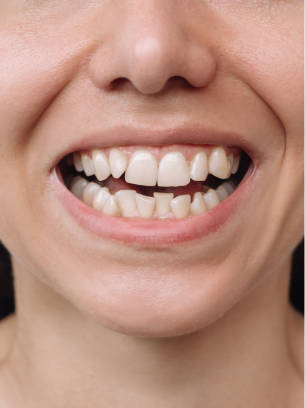
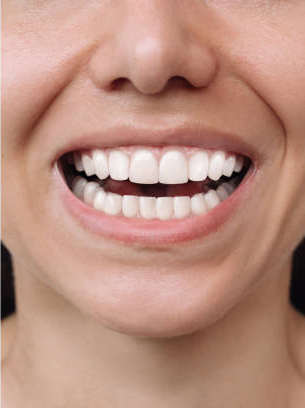
At The Master Dentist, our orthodontic treatments deliver life-changing functional and aesthetic smile transformations. Every case is individually planned using precision digital diagnostics, custom bracket prescriptions, and evidence-based biomechanics. Below are verified clinical orthodontic treatment results:
Case 1: Severe Anterior Crowding & Arch Alignment – Metal Braces
Treatment Duration: 18 Months
Case 2: Front Teeth Gap Closure – Ceramic Braces
Treatment Duration: 10 Months
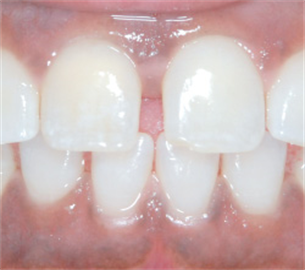
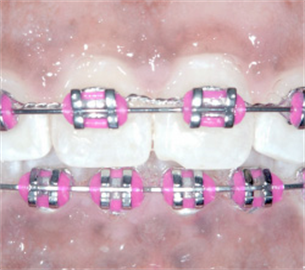
Case 3: Crooked Teeth Alignment – Self-Ligating Braces
Treatment Duration: 14 Months
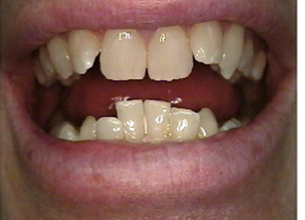
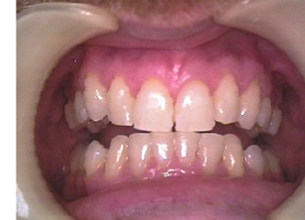
Clinical Case Documentation Notice: At The Master Dentist, patient confidentiality and clinical authenticity are strictly maintained. Every photograph shown above features genuine, unretouched treatment results from patients treated with orthodontic appliances. Additional clinical portfolios (including overbite correction and surgical orthodontics) can be viewed during your one-on-one consultation with our dental team.
What Are the Benefits of Dental Braces Treatment?
Investing in orthodontic treatment delivers profound benefits that extend far beyond cosmetic appearance, enhancing long-term oral health and quality of life:
- Straighter, More Attractive Smile: Properly aligned teeth create an aesthetically pleasing smile line, boosting personal confidence and social presence.
- Corrected Bite Mechanics: Resolving overbites, underbites, and crossbites ensures even distribution of chewing forces across all teeth.
- Closure of Spaces and Gaps: Eliminates food-trapping gaps and unsightly diastemas between anterior teeth.
- Improved Chewing and Digestive Function: Well-aligned arches break down food more efficiently, aiding proper digestion and nutrient absorption.
- Enhanced Speech Articulation: Correcting tooth positioning eliminates speech impediments or lisps caused by anterior open bites or severe gaps.
- Easier Daily Oral Hygiene: Straight teeth have fewer overlapping surfaces, making daily brushing and flossing significantly easier and more effective.
- Reduced Risk of Tooth Decay and Gum Disease: Eliminating plaque-retentive crowded zones lowers the lifetime incidence of cavities, gingivitis, and periodontal bone loss.
- Protection Against Dental Trauma: Protruding upper incisors (“buck teeth”) are highly vulnerable to accidental fracture; retracting them into a normal overjet shields them from trauma.
- Relief of Jaw Joint (TMJ) Strain: A balanced occlusion prevents irregular muscle compensation and reduces chronic jaw strain, neck tension, and headaches.
What Are the Potential Side Effects of Dental Braces?
Orthodontic treatment is safe, predictable, and routinely performed. However, patients may experience mild, transient side effects that are easily managed with proper care:
Common, manageable side effects include:
- Mild Tooth Soreness and Pressure: Lasts 3 to 5 days after initial placement and 2 to 3 days after wire tightening as periodontal tissues adapt.
- Localized Mouth Ulcers: Minor friction from brackets against the inner cheeks or lips during the first 1 to 2 weeks, quickly relieved with orthodontic relief wax.
- Temporary Speech Adjustments: A slight lisp during the first few days while the tongue adapts to the brackets, particularly with lingual appliances.
- Plaque Accumulation Around Brackets: Inadequate cleaning allows food debris and bacterial plaque to gather around bracket wings.
- Mild Gingival Inflammation: Puffy or bleeding gums resulting from suboptimal brushing around the orthodontic appliances.
- Enamel Decalcification (White Spots): Permanent chalky white marks caused by prolonged plaque accumulation around brackets when oral hygiene is neglected.
- Broken Brackets or Loose Bands: Usually caused by chewing on hard, crunchy, or sticky foods.
Rare orthodontic complications include:
- Apical Root Resorption: A minor biological shortening of root tips, which occurs in a small percentage of patients and is monitored via routine progress radiographs.
- Allergic Reactions: Hypersensitivity to nickel or latex, managed seamlessly by switching to ceramic, titanium, or nickel-free appliances.
- Post-Treatment Relapse: Teeth shifting back toward original positions when retainers are not worn diligently following debonding.
Discomfort Relief: Over-the-counter pain relievers (such as paracetamol or ibuprofen) taken as directed, combined with orthodontic wax and warm saltwater rinses, provide quick relief during initial soreness. Contact your orthodontist if severe pain persists beyond 7 days or if a wire punctures soft oral tissues.
Metal Braces vs Ceramic Braces vs Lingual Braces vs Clear Aligners: Which Is Better?
Each orthodontic treatment modality offers distinct clinical strengths, aesthetics, and price points. The table below compares the four primary options to help you choose the best fit for your smile goals:
| Comparison Factor | Metal Braces | Ceramic Braces | Lingual Braces | Clear Aligners |
|---|---|---|---|---|
| Bracket Material | Medical stainless steel | Polycrystalline ceramic | Custom gold or cobalt alloy | Medical-grade clear polymer |
| Visibility | Visible metal brackets | Discreet; blends with teeth | 100% hidden behind teeth | Virtually invisible trays |
| Best Suited For | All malocclusions, especially severe | Mild to complex cases needing aesthetics | Adults wanting completely invisible fixed braces | Mild to moderate alignment issues |
| Comfort Level | Mild soreness after adjustments | Similar to metal; smooth brackets | Tongue irritation during first 2 weeks | Mild tightness with each new tray |
| Treatment Duration | 12 – 24 months | 12 – 24 months | 18 – 24 months | 6 – 18 months |
| Dietary Restrictions | Avoid hard, sticky foods | Avoid hard foods & staining spices | Avoid hard, sticky foods | None; trays removed before eating |
| Relative Cost | Most affordable | Moderate | Premium | Moderate to high |
Which Should You Choose? Select metal braces for the most economical treatment and dependable performance across severe crowding and complex bite conditions. Select ceramic braces if you desire an aesthetically pleasing, subtle appearance without compromising on fixed mechanical control. Select clear aligners if you are committed to wearing trays 22 hours per day and desire the freedom to remove appliances for meals and special occasions.
Why Choose The Master Dentist Islamabad for Dental Braces?
At The Master Dentist, our orthodontic clinic combines specialist clinical precision, digital diagnostic technology, and patient-first care to deliver exceptional smile transformations:
- Specialist Orthodontic Care: All treatment plans are designed and supervised by PMDC-registered orthodontic specialists with postgraduate FCPS training, ensuring biological safety and optimal aesthetic outcomes.
- Comprehensive Digital Diagnostics: In-house digital panoramic X-rays (OPG), lateral cephalometrics, and precision intraoral scanning eliminate guesswork and provide millimeter-accurate treatment modeling.
- Full Range of Braces Options: From conventional metal and aesthetic ceramic brackets to self-ligating systems, lingual braces, and clear aligners, we offer tailored options under one roof.
- Transparent, Written Cost Estimates: Clear, upfront pricing with detailed breakdowns of bonding fees, adjustments, and retainers—with zero hidden charges.
- Convenient Monthly Instalment Plans: Spread the investment of your braces across easy monthly payments throughout your active treatment period.
- Hospital-Grade Sterilization Protocols: Strict autoclave sterilization of instruments and dedicated hygienic clinical operatories protect patient health at every appointment.
- Proactive Retention Planning: Retainer strategies are discussed and planned before bracket debonding to protect and maintain your results for life.
- Rapid Emergency Assistance: Fast, responsive clinic support to manage poking wires, broken brackets, or lost elastics without unnecessary treatment delay.
The Master Dentist Islamabad Orthodontists for Dental Braces
Dr. Asad Nawaz Baloch – Dental Surgeon at The Master Dentist
Dr. Asad Nawaz Baloch is a dedicated and compassionate Dental Surgeon at The Master Dentist, committed to delivering quality dental care through a patient-centered approach. He holds a Bachelor of Dental Surgery (B.D.S.) degree and has completed his Residency in Dental Surgery (R.D.S.) from the prestigious School of Dentistry, Shaheed Zulfiqar Ali Bhutto Medical University (SZABMU), Islamabad.
With a strong academic foundation and specialized clinical training, Dr. Asad Nawaz Baloch brings extensive dental knowledge and a comprehensive understanding of oral healthcare. He focuses on carefully evaluating each patient’s dental concerns, recommending appropriate treatment options, and providing care with professionalism, precision, and attention to detail.
His approach combines clinical knowledge with a genuine commitment to patient comfort, clear communication, and personalized treatment planning. At The Master Dentist, he strives to help patients maintain healthier smiles and enjoy a comfortable, reassuring dental care experience.
Book Dental Braces in Islamabad
Ready to achieve a beautifully aligned smile and a healthier bite? Schedule your comprehensive orthodontic consultation at The Master Dentist in Islamabad. Your appointment includes a thorough clinical examination, bite evaluation, a detailed review of suitable braces options, and a written treatment plan with flexible monthly instalment options. Contact us at +92 340 5599322 or visit our clinic in Islamabad to start your journey toward a confident, radiant smile.
Frequently Asked Questions (FAQs) About Dental Braces in Islamabad
What are dental braces?
Dental braces are fixed orthodontic appliances composed of brackets bonded to each tooth, an orthodontic archwire, and elastic ligatures. They apply light, continuous biological forces to move teeth into proper alignment and establish a harmonious, functional bite over 12 to 24 months.
Are braces painful to get fitted?
No. Having brackets bonded to your teeth is completely painless and requires no dental injections or drilling. You may experience minor cheek fatigue from holding your mouth open during the 1-to-2-hour bonding session. Mild tooth tenderness and pressure typically develop several hours later as teeth begin to respond to the archwire, which subsides within 3 to 5 days.
How long does soreness last after braces tightening?
Soreness after a routine adjustment or wire change typically lasts 2 to 3 days. The sensation usually peaks within the first 24 hours and gradually fades. Eating soft foods, rinsing with warm salt water, and taking over-the-counter pain relief as needed help relieve discomfort quickly.
Is 25 or 30 too late for braces?
No, you are never too old for dental braces. As long as your gums, periodontal tissues, and alveolar jawbone are healthy, teeth can be moved safely at any age. A substantial percentage of our orthodontic patients in Islamabad are adults in their 20s, 30s, 40s, and beyond who achieve excellent, stable results.
What is the ideal age to get braces?
The optimal age to begin comprehensive braces treatment is generally between 10 and 14 years, when most permanent teeth have erupted and the jawbones are still actively growing. However, an initial orthodontic check-up is recommended at age 7 to detect any early skeletal imbalances.
Can braces straighten teeth in 3 months?
No. Comprehensive orthodontic treatment cannot be completed in 3 months. While noticeable alignment of crowded front teeth often occurs within the first 1 to 3 months, achieving correct root positions, resolving bite relationships, and allowing surrounding bone to remodel requires 12 to 24 months.
Can braces close gaps between teeth?
Yes. Braces are exceptionally effective at closing unwanted gaps, spacing, and prominent front-tooth diastemas. Minor spacing often closes within 6 to 9 months, after which fixed or removable retainers ensure the gaps remain permanently closed.
Can braces fix an overbite or deep bite?
Yes. Dental braces, often used in conjunction with intermaxillary elastics, bite turbos, or bite plates, successfully correct dental overbites and deep bites by intruding front teeth, extruding premolars, and repositioning the lower jaw relationship.
Will braces change my facial appearance or jawline?
Braces positively influence facial aesthetics by supporting the lips and harmonizing the profile as protruding front teeth are brought into proper alignment. In growing children, orthodontic appliances can guide jaw growth. In non-growing adults, braces move teeth within the existing jawbone structure; significant skeletal changes in adults require combined orthognathic surgery.
Will dental braces affect my speech?
You may experience a slight lisp for the first few days after braces are fitted as your tongue and lips adapt to the brackets. Normal speech patterns quickly return within 1 to 2 weeks. Lingual braces placed behind the teeth have a slightly longer speech adaptation period than traditional metal or ceramic brackets.
Will I need tooth extractions before getting braces?
Not necessarily. Many cases can be treated successfully without extractions using modern arch expansion and interproximal reduction (IPR). Extractions (typically of premolars) are only recommended when severe crowding, severe dental protrusion, or significant jaw discrepancies make it impossible to align the teeth safely within the existing bone.
Can I eat normally while wearing braces?
Yes, you can enjoy a wide variety of nutritious foods with braces. However, you must cut crunchy foods (like apples and raw vegetables) into small bite-sized pieces and chew with your back teeth. You must avoid very hard or sticky foods such as chhalia, nuts, hard candy, toffees, and chewing gum to prevent breaking brackets or bending archwires.
Can I play sports with braces?
Yes, you can actively participate in sports with braces. For contact sports such as cricket, football, hockey, or martial arts, you must wear a specialized orthodontic mouthguard designed to fit comfortably over brackets and protect your lips, teeth, and gums from impact.
Is a retainer really necessary after braces?
Yes, wearing a retainer is an indispensable phase of orthodontic treatment. Once braces are removed, the surrounding bone and gum fibers require time to stabilize around the new tooth positions. Without faithful retainer wear, teeth naturally drift back toward their original positions over time.
Will my teeth shift years after having braces?
Teeth can slowly shift later in life due to natural physiological aging, continuous bite forces, and the elasticity of periodontal fibers if retainers are discontinued. Wearing your removable retainer a few nights each week long term protects your orthodontic investment and keeps your smile perfectly aligned.
Can I pay for dental braces in instalments in Islamabad?
Yes. At The Master Dentist Islamabad, we offer flexible, interest-free monthly instalment plans. Patients pay an initial down payment at the time of bracket bonding, followed by manageable monthly payments during their regular adjustment appointments.
Are ceramic braces better than metal braces?
Ceramic braces offer a major cosmetic advantage because their tooth-colored brackets blend with natural enamel, making them much less conspicuous. Metal braces, however, are slightly stronger, less bulky, and more economical. Both systems achieve identical, high-quality clinical outcomes.
Who is the best orthodontist for dental braces in Islamabad?
The best dental and orthodontic care comes from PMDC-registered professionals with formal clinical qualifications and a patient-centered approach. At The Master Dentist, our clinical practice is led by Dr. Asad Nawaz Baloch (B.D.S., R.D.S. SZABMU) alongside verified orthodontic specialists, ensuring personalized biomechanical planning, compassionate care, and predictable results.