Dental veneers cover stained, chipped, gapped or uneven front teeth with thin, tooth-colored shells bonded to the front surface. They suit adults with healthy teeth and gums who want a brighter, more even smile. Book a veneer consultation at The Master Dentist in Islamabad to plan your smile with a cosmetic dentist.
Dental veneers are thin, custom-made shells of porcelain, E-max ceramic or composite resin bonded to the front of teeth. They change tooth color, shape, size and length. The dentist removes a thin layer of enamel, 0.3–0.7 mm depending on the veneer type and tooth position, so the veneer sits flush with neighboring teeth. A dental lab makes porcelain and E-max veneers from a digital scan, while composite veneers are sculpted directly on the tooth. The procedure has 7 steps: consultation, digital smile design, tooth preparation, scan, temporary veneers, bonding and follow-up. Veneers suit people with stains that teeth whitening cannot remove, chips, small gaps and worn edges. There is no downtime, and patients return to work the same day. The new smile shows immediately after bonding. Porcelain and E-max veneers last 10–15 years, and composite veneers last 4–7 years, with good care.
Treatment is led by Dr. Asad Nawaz Baloch (B.D.S., R.D.S. SZABMU), Dental Surgeon at The Master Dentist, specializing in aesthetic veneers and smile makeovers.
Quick Facts
| Fact | Detail |
|---|---|
| Procedure Cost | From PKR 10,000 per tooth (composite); porcelain from PKR 20,000; E-max from PKR 18,000 |
| Procedure Time | 1–2 hours per visit |
| Visits | 2–3 visits over 1–2 weeks (porcelain/E-max); 1 visit (composite) |
| Results | Immediately after bonding |
| Results Last | Porcelain/E-max 10–15 years; composite 4–7 years |
| Recovery | No downtime; mild sensitivity for 3–7 days |
What Is the Price of Dental Veneers at The Master Dentist?
Dental veneers at The Master Dentist start from PKR 10,000 per tooth for composite, PKR 18,000 per tooth for E-max and PKR 20,000 per tooth for porcelain. Veneers are priced per tooth, so 4 porcelain veneers start from PKR 80,000. Smile makeover plans for 8–10 upper teeth and [instalment plans] are available after a consultation.
The 6 factors that affect the cost of dental veneers are listed below:
- Material: Composite costs less than porcelain, E-max or zirconia.
- Number of teeth: 2 front teeth cost less than an 8–10 tooth smile makeover.
- Preparation type: Prep and no-prep veneers need different lab work, which changes the price.
- Lab quality: Imported ceramics and a certified dental lab raise the cost.
- Digital smile design: A mock-up of the planned smile adds a planning fee [confirm with clinic].
- Treatment needed first: Fillings, gum treatment, scaling or whitening add to the total.
| Veneer Type | Lifespan | Visits | Cost (PKR) |
|---|---|---|---|
| Composite Veneers | 4–7 years | 1 | From PKR 10,000 per tooth |
| Porcelain Veneers | 10–15 years | 2–3 | From PKR 20,000 per tooth |
| E-max Veneers | 10–15 years | 2–3 | From PKR 18,000 per tooth |
| Zirconia Veneers | 10–15 years | 2–3 | Quoted after consultation |
| No-Prep / Ultra-Thin Veneers | [Confirm lifespan] | 2 | From PKR 5,000 per tooth |
| 2 Front Teeth Veneers (porcelain) | 10–15 years | 2–3 | From PKR 40,000 |
| Smile Makeover / Hollywood Smile (8–10 upper teeth, porcelain) | 10–15 years | 2–3 | From PKR 160,000 |
| Full Mouth Veneers (16–20 teeth) | 10–15 years | 3+ | From PKR 320,000 |
Who Is an Ideal Candidate for Dental Veneers?
An ideal candidate for dental veneers is an adult over 18 with healthy teeth and gums who wants to fix the color, shape or spacing of front teeth. Veneers suit both men and women. The 10 characteristics of a good candidate are listed below:
- Healthy gums with no active gum disease
- Enough healthy enamel for bonding
- Stains that whitening cannot remove, such as tetracycline stains and fluorosis
- Chipped or cracked front teeth
- Worn or short teeth from grinding or erosion
- Small gaps between teeth (diastema)
- Mildly crooked or uneven teeth
- Small or misshapen teeth, such as peg-shaped lateral incisors
- Old, discolored fillings on front teeth
- Realistic expectations and good oral hygiene
Who Should Avoid Dental Veneers?
People with active decay, untreated gum disease, heavy grinding or too little enamel should avoid or delay veneers. The dentist treats most of these problems first and then places veneers. The 7 groups who should avoid or delay veneers are listed below:
- People with active tooth decay
- People with untreated or severe gum disease (periodontitis)
- People with heavy teeth grinding (bruxism) who do not wear a night guard
- People with very thin or missing enamel
- People with large fillings or weak teeth, which suit crowns better
- People with severe crowding or bite problems, which need braces or aligners first
- People under 18 whose teeth and gums are still developing
How to Prepare for Dental Veneers?
To prepare for dental veneers, get a dental check-up and treat any decay or gum problems first. Whiten your natural teeth before shade selection only if you want a brighter smile. Porcelain and E-max veneers do not respond to whitening, so the shade is matched to your final tooth color. The 7 preparation steps are listed below:
- Book a consultation and bring photos of smiles you like.
- Get a dental exam and X-rays to check enamel, roots and gums.
- Treat cavities and gum disease before veneer planning.
- Have scaling and polishing 1–2 weeks before tooth preparation.
- Whiten the surrounding teeth before shade selection if you want a brighter smile.
- Tell the dentist about teeth grinding, medicines and allergies.
- Plan 2–3 visits over 1–2 weeks for porcelain or E-max veneers.
How Are Dental Veneers Placed at The Master Dentist?
Dental veneers are placed in 7 steps over 2–3 visits for porcelain and E-max, or 1 visit for composite. Each visit takes 1–2 hours, and the lab takes about 5–7 days to make porcelain veneers.
Step 1: Consultation, Smile Assessment and X-rays
The dentist examines teeth, gums and bite and takes X-rays. The dentist checks enamel thickness and confirms that veneers suit your goals.
Step 2: Digital Smile Design and Shade Selection
The dentist photographs your face and smile and designs the new tooth shape using Digital Smile Design. A shade guide sets the color, and a mock-up shows the planned result.
Step 3: Tooth Preparation
The dentist numbs the area with local anesthesia. A thin layer of enamel, 0.3–0.7 mm, is removed from the front of each tooth. No-prep veneers need little or no enamel removal.
Step 4: Digital Scan or Impressions
An intraoral scanner or impression records the prepared teeth. The dental lab uses this record to make the veneers.
Step 5: Temporary Veneers and Lab Fabrication
Temporary veneers protect the prepared teeth while the lab makes the final veneers. Lab fabrication takes about 5–7 days.
Step 6: Try-In, Etching and Bonding
The dentist checks fit and color before bonding. The tooth surface is etched, the veneer is bonded with resin cement, and a curing light hardens the cement.
Step 7: Bite Check, Polishing and Follow-Up
The dentist removes excess cement, checks the bite and polishes the edges. A follow-up visit after 1–2 weeks confirms gum health and comfort.
What Is the Aftercare for Dental Veneers?
Aftercare for dental veneers is daily brushing and flossing, avoiding hard objects, and 6-monthly check-ups. The 9 aftercare instructions are listed below:
- Wait until the numbness wears off, about 2–3 hours, before eating.
- Use a sensitivity toothpaste for the first week if teeth feel sensitive.
- Brush twice daily with a soft brush and non-abrasive fluoride toothpaste.
- Floss once daily around each veneer edge.
- Avoid biting ice, pens, nails and bottle caps.
- Cut hard foods such as apples and corn into pieces and chew with back teeth.
- Limit tea, coffee and paan if you have composite veneers.
- Wear a night guard if you grind or clench your teeth.
- Attend check-ups and scaling every 6 months.
Which Types of Dental Veneers Are Offered at The Master Dentist?
The Master Dentist offers 5 types of dental veneers: composite, porcelain, E-max, zirconia and no-prep veneers. The types differ in strength, translucency, enamel removal, visits, lifespan and price.
| Type | Material | Visits | Best For |
|---|---|---|---|
| Composite Veneers | Tooth-colored composite resin, sculpted on the tooth | 1 | Small chips, gaps and budget-friendly smile changes |
| Porcelain (Feldspathic) Veneers | Layered dental porcelain made in a lab | 2–3 | Natural translucency and stain resistance |
| E-max Veneers | Lithium disilicate glass-ceramic (IPS e.max) | 2–3 | Thin, strong veneers with lifelike translucency |
| Zirconia Veneers | Zirconium dioxide ceramic (see also zirconia crowns) | 2–3 | Dark stains that need masking; less translucent than E-max |
| No-Prep / Ultra-Thin Veneers | Ultra-thin ceramic shells | 2 | Small or short teeth with little or no enamel removal |
E-max is a brand of lithium disilicate ceramic, so E-max veneers are a type of ceramic veneer. A Hollywood smile is a treatment plan that places veneers on 8–10 or more upper teeth.
How Long Do Dental Veneers Last?
Veneer lifespan depends on the material, bite, grinding habits and oral hygiene. Porcelain and E-max veneers last 10–15 years, and composite veneers last 4–7 years, with good care. A 2021 systematic review by Alenezi and colleagues in the Journal of Clinical Medicine studied 6,500 porcelain veneers across 25 studies. It found a 10-year survival rate of 95.5%. A 2016 meta-analysis by Morimoto and colleagues in the International Journal of Prosthodontics pooled 13 studies. It found 94% survival for glass-ceramic veneers at a median of 9 years.
The 4 factors that shorten veneer lifespan are listed below:
- Teeth grinding (bruxism) without a night guard
- Biting hard objects such as ice and nails
- Poor oral hygiene that leads to decay at the veneer edge
- Gum recession that exposes the veneer margin
After 10–15 years, worn porcelain veneers are replaced, and chipped composite veneers are repaired chairside. Daily cleaning and 6-monthly check-ups lower the risk of decay under the veneer.
What Are the Expected Results of Dental Veneers?
Dental veneers give an immediate change in tooth color and shape, with sensitivity settling in 3–7 days and the bite check at 1–2 weeks.
| Timeline | What to Expect |
|---|---|
| Same day (after bonding) | New color and shape are visible; numbness wears off in 2–3 hours |
| First 3–7 days | Mild sensitivity and gum tenderness settle; bite and speech adapt |
| 1–2 weeks | Follow-up check, final polish and bite adjustment if needed |
| Long term (years) | Stain-resistant, natural-looking smile with 6-monthly check-ups |
Veneers do not look fake when the shade, translucency and shape match your face. The dentist plans the shade with you during digital smile design.
Dental Veneers Before and After
At The Master Dentist, our cosmetic veneer treatments deliver natural, harmonious smile transformations. Every case is custom-planned using digital smile diagnostics, conservative preparation protocols, and premium aesthetic ceramics. Below are four authentic clinical cases illustrating common aesthetic smile corrections:
Case 1: Anterior Crowding & Irregular Incisal Wear – Porcelain Veneers
Treatment: Upper & Lower Porcelain Veneers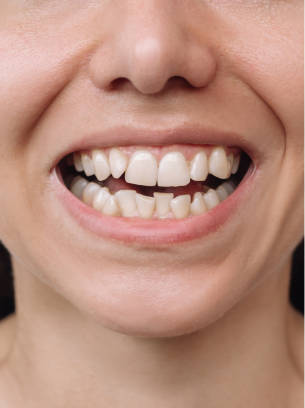
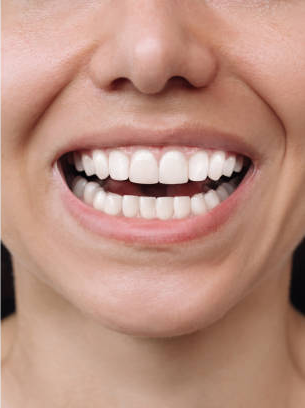
Concern & Result: Female patient presented with anterior crowding, chipped incisal edges, and smile asymmetry. Completed with custom ultra-thin porcelain veneers, achieving natural translucency, harmonious alignment, and full smile symmetry while preserving maximum healthy tooth structure.
Case 2: Severe Enamel Discoloration – Porcelain Veneers
Treatment: 8 Upper Porcelain Veneers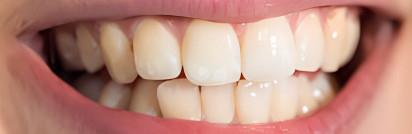
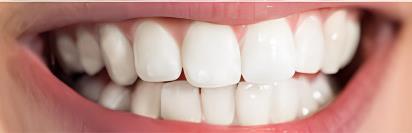
Concern & Result: Female patient presented with deep intrinsic enamel discoloration and uneven incisal wear resistant to chemical bleaching. Restored with custom ultra-thin porcelain veneers, delivering a radiant, natural tooth shade, balanced proportion, and complete aesthetic revival.
Case 3: Uneven Incisal Edges – Ultra-Thin E-max Veneers
Treatment: Upper Cosmetic Porcelain Veneers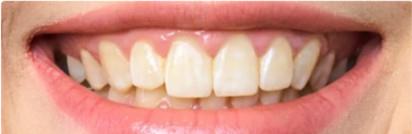
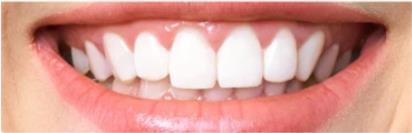
Concern & Result: Female patient presented with uneven incisal margins, mild enamel wear, and a dull aesthetic profile. Conservative E-max porcelain veneers restored optimal smile arc curvature, golden proportion tooth ratios, and high-translucency aesthetic brilliance.
Case 4: Anterior Smile Arch Asymmetry – Porcelain Smile Makeover
Treatment: Comprehensive Smile Makeover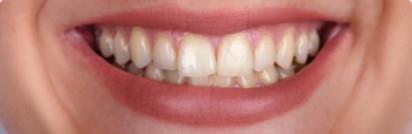
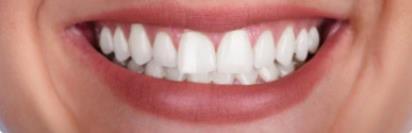
Concern & Result: Female patient presented with anterior arch asymmetry and surface enamel imperfections. Custom porcelain veneers harmonized the maxillary arch, broadened the smile display, and established long-term functional stability and exceptional aesthetics.
Clinical Case Documentation Notice: At The Master Dentist, patient confidentiality and clinical authenticity are strictly maintained. Every case shown represents authentic, clinic-approved photographic results. Individual veneer treatment plans are tailored following in-person 3D digital smile design analysis.
What Are the Benefits of Dental Veneers?
The 10 benefits of dental veneers are listed below:
- Natural look: Ceramic reflects light like enamel.
- Stain coverage: Veneers cover tetracycline stains and fluorosis that whitening cannot remove.
- Chip repair: Veneers restore chipped, cracked and worn edges.
- Gap closure: Veneers close small gaps without braces.
- Even shape: Veneers make small, uneven or misshapen teeth look uniform.
- Stain resistance: Glazed porcelain resists tea and coffee stains better than composite resin.
- Conservative preparation: Veneers remove 0.3–0.7 mm of enamel, far less than a crown.
- Fast results: The smile changes in 2–3 visits over 1–2 weeks.
- Long life: Porcelain and E-max veneers last 10–15 years with good care.
- Custom design: Shade, shape and length are designed for each patient’s face.
What Are the Side Effects of Dental Veneers?
The 3 most common side effects of dental veneers are tooth sensitivity, mild gum tenderness and a bite that feels different for 3–7 days. The duration varies with the number of teeth treated. The 5 rare side effects are listed below:
- Chipping or fracture of the veneer
- Debonding (the veneer coming off)
- Decay at the veneer edge
- Staining along the margin
- Gum irritation from an overhanging edge
According to the 2021 review by Alenezi and colleagues, fracture and chipping are the most common long-term complications, followed by debonding. Teeth grinding is a known risk factor for veneer failure, so a night guard and avoiding hard objects reduce that risk.
Prepped veneers are not reversible because enamel is removed. Veneers also do not fix major bite or alignment problems, which braces or aligners treat better. Contact your dentist if a veneer feels loose, chips or causes pain for more than 7 days.
Dental Veneers vs Crowns vs Composite Bonding vs Braces: Which Is Better?
Dental veneers are better for changing the color and shape of healthy front teeth, while crowns suit weak teeth, bonding suits small chips and braces fix alignment.
| Factor | Dental Veneers | Dental Crowns | Composite Bonding | Braces / Aligners |
|---|---|---|---|---|
| Purpose | Change color, shape and size | Cover and protect a weak tooth | Repair a small chip or gap | Move teeth into position |
| Tooth reduction | 0.3–0.7 mm on the front | About 1–2 mm on all sides, depending on material | None or minimal | None |
| Best for | Stains, chips, small gaps | Large fillings, root canal teeth | Single small defects | Crowding and bite problems |
| Fixes alignment | Mild, visual only | No | No | Yes |
| Visits | 1–3 | 2–3 | 1 | Monthly visits for 12–24 months |
| Lifespan | Porcelain 10–15 years | 10–15 years | Similar to composite veneers | Long-term with retainer wear |
| Reversible | No (prepped) | No | Yes | Yes |
Choose veneers for color and shape changes on healthy front teeth. Choose crowns for weak or heavily filled teeth, bonding for one small chip, and braces or aligners for crowding.
Why Choose The Master Dentist for Dental Veneers?
- [X]+ veneer cases completed
- IHRA-registered clinic in Islamabad ([IHRA license no.])
- PMDC-registered cosmetic dentist
The Master Dentist offers veneers planned with digital smile design and placed by a PMDC-registered cosmetic dentist. The 8 reasons to choose the clinic for veneers are listed below:
- Digital smile design and mock-up before any tooth is prepared
- Shade matching with a professional shade guide
- Imported porcelain and E-max ceramics from [name of dental lab]
- Conservative preparation of 0.3–0.7 mm, or no-prep options
- Clear per-tooth pricing before treatment starts
- Gum, filling and whitening treatment under one roof before veneers
- Night guards for patients who grind their teeth
- Follow-up after 1–2 weeks and 6-monthly check-ups
Cosmetic Dentist for Dental Veneers at The Master Dentist
Dr. Asad Nawaz Baloch – Dental Surgeon at The Master Dentist
Dr. Asad Nawaz Baloch is a dedicated and compassionate Dental Surgeon at The Master Dentist, committed to delivering quality dental care through a patient-centered approach. He holds a Bachelor of Dental Surgery (B.D.S.) degree and has completed his Residency in Dental Surgery (R.D.S.) from the prestigious School of Dentistry, Shaheed Zulfiqar Ali Bhutto Medical University (SZABMU), Islamabad.
With a strong academic foundation and specialized clinical training, Dr. Asad Nawaz Baloch brings extensive dental knowledge and a comprehensive understanding of oral healthcare. He focuses on carefully evaluating each patient’s dental concerns, recommending appropriate treatment options, and providing care with professionalism, precision, and attention to detail.
His approach combines clinical knowledge with a genuine commitment to patient comfort, clear communication, and personalized treatment planning. At The Master Dentist, he strives to help patients maintain healthier smiles and enjoy a comfortable, reassuring dental care experience.
Book Dental Veneers in Islamabad
Book a dental veneer consultation at The Master Dentist, [full address], Islamabad, Pakistan. The consultation includes a dental exam, X-rays if needed, shade selection, a digital smile design preview and a written per-tooth quote. Call +92 340 5599322 / [phone] or message +92 340 5599322 / [WhatsApp number] to book, or visit our Contact Us page.
Dental Veneers FAQs
Are dental veneers worth it?
Dental veneers are worth it when the goal is to fix stains, chips or gaps on healthy front teeth. Porcelain veneers last 10–15 years, and a 2021 review found 95.5% survival at 10 years.
Are veneers painful to get?
Veneers cause little pain because local anesthesia numbs the teeth during preparation. The injection and pressure can cause mild discomfort. Mild sensitivity to hot and cold lasts 3–7 days after bonding.
How many visits are needed for dental veneers?
Porcelain and E-max veneers need 2–3 visits over 1–2 weeks. Composite veneers need 1 visit of 1–2 hours.
What is the cost of 4 veneers in Islamabad?
4 porcelain veneers at The Master Dentist start from PKR 80,000, based on PKR 20,000 per tooth. 4 composite veneers start from PKR 40,000, based on PKR 10,000 per tooth.
Can I get veneers on just one or two front teeth?
Yes, you can get veneers on 1 or 2 front teeth. The dentist matches the veneer shade and shape to the neighboring natural teeth.
Are dental veneers permanent?
Yes, prepped veneers are permanent because the removed enamel does not grow back. The veneers themselves last 10–15 years and are then replaced.
Do veneers damage your natural teeth?
Veneers remove 0.3–0.7 mm of enamel permanently, which is less than a crown removes. The tooth underneath stays healthy with daily cleaning and 6-monthly check-ups.
Can I bite into an apple with veneers?
Yes, you can eat apples with veneers, but cut them into pieces and chew with your back teeth. This lowers the risk of chipping the front edges.
Can veneers stain or be whitened?
No, veneers cannot be whitened, so whiten natural teeth before the shade is chosen. Porcelain and E-max veneers resist stains, while composite veneers stain faster from tea, coffee and paan.
Can veneers fix crooked or gapped teeth?
Yes, veneers can close small gaps and hide mildly crooked teeth. Severe crowding needs braces or clear aligners first.
Can veneers fall off?
Yes, veneers can fall off, but debonding is rare. A 2016 meta-analysis by Morimoto and colleagues in the International Journal of Prosthodontics found a 2% debonding rate. An undamaged veneer can be re-bonded.
Do veneers cause bad breath?
No, veneers do not cause bad breath. Plaque trapped at the veneer edge causes odor, so floss daily and get scaling every 6 months.
Can I get veneers if I grind my teeth?
Yes, you can get veneers if you grind your teeth, with a night guard and a dentist’s assessment. Grinding raises the risk of veneer fracture.
Is it halal to get veneers?
Veneers that repair a defect, such as stains, chips or broken teeth, are widely viewed as permissible. Purely cosmetic changes are debated, so consult a religious scholar for a ruling on your situation.
Can veneers be removed?
Yes, a dentist can remove veneers. A porcelain veneer is replaced with a new veneer or crown after removal. Composite veneers can be polished off or replaced.
Do I need teeth whitening before veneers?
Whitening before veneers depends on the shade you want and is optional. Porcelain veneers keep their color, so whiten first if you want a brighter smile.